Finland · Trip planning
Lapland in winter: January, February, March or April?
For a first Finnish Lapland trip built around daytime activities, March is a useful month to compare first. You have more daylight than in midwinter, while many snow-based programmes are still part of the season. January and February suit a darker winter setting. April can work well for daytime outings, but the exact activity and travel dates matter more.
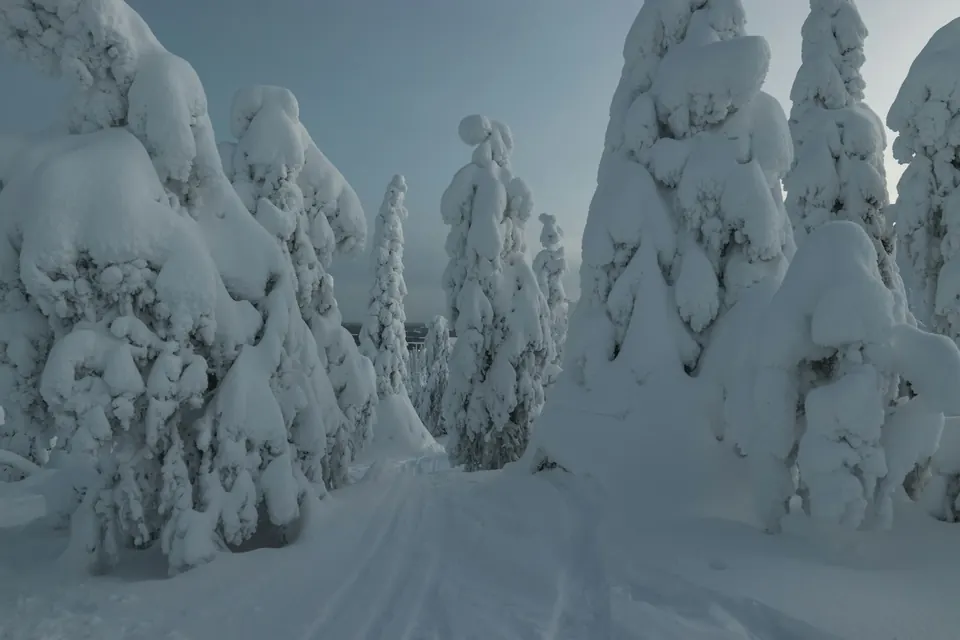
Start with the experiences you most want, then choose a base and a week when those programmes operate. The best month for a short reindeer visit may not be the best week for a particular multi-day route, and a resort's ski closing date does not set the calendar for every farm or fishing trip nearby.
The months at a glance
| Month | Why you might choose it | The detail to check |
|---|---|---|
| January | Short daylight, winter twilight and a darker setting | The light available for your specific plans and the clothing each activity provides |
| February | Growing daylight within the main winter period | Real operating days, compatible departures and suitable meeting arrangements |
| March | More room for daytime outdoor plans, with dark nights still relevant to aurora outings | The length of the programme, return time and actual season dates |
| April | Bright late-winter days where the chosen programme continues | Product-specific closing dates, changing conditions and the evening light |
These are planning differences. They are not a forecast for your travel week or a guarantee of snow, suitable ice or a particular tour departure.
January: build the day around the winter light
January suits travellers who want the shorter-day setting as part of the experience. In the far north, the sun can remain below the horizon for part of the month. There is still twilight around midday; the exact pattern depends on the place and date. The polar-night explanation from Finavia is useful background when deciding what that means for a stay.
Choose the daytime activity first and look at how the rest of the day fits around it. A farm programme may work well within a shorter bright period, while a longer hiking trip has its own winter-light arrangements. Ask about the particular outing rather than assuming all outdoor plans need the same conditions.
Leave time to eat, change clothes and get ready for an evening. Several cold outdoor programmes in succession can make an otherwise appealing schedule feel rushed.
February: more room for a varied day
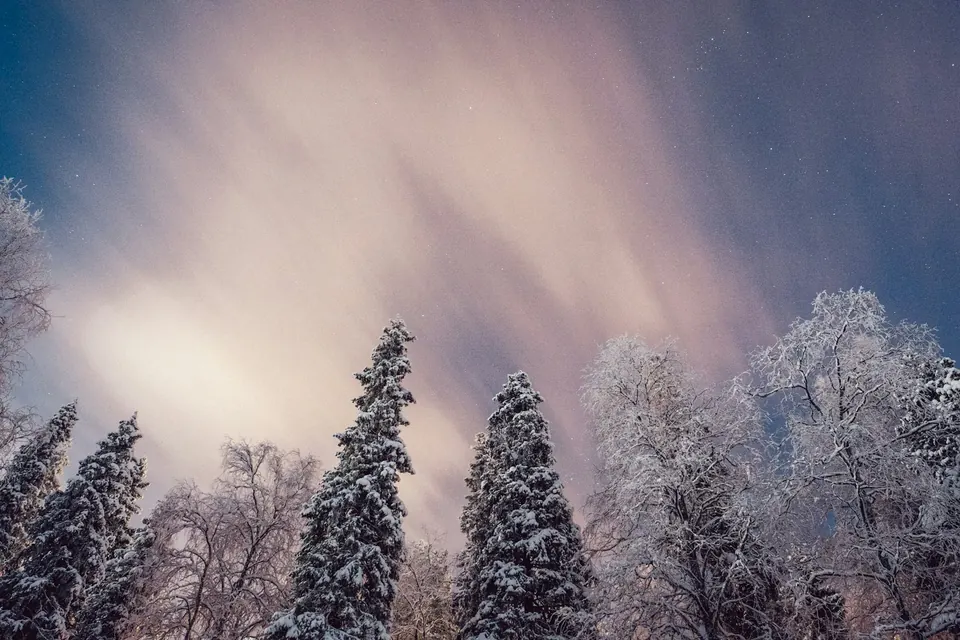
February brings more daylight, which can make it easier to combine a daytime outing with time in the town or resort. You can choose the same broad activity types as in midwinter, but the longer light changes how much independent exploring feels comfortable around a fixed departure.
Start with the one or two activities that matter most to the group. A repeated weekly programme does not establish available seats on a particular date, so check the actual calendar and booking arrangements before organising every meal and connection around it.
Keep the full duration in view. A husky safari includes more than the sled ride, and an activity's start time may be later than the pickup or meeting time. The extra daylight is useful, but it does not make those journeys disappear.
March: a strong starting point for an active trip
March is worth considering when the main aim is time outdoors. The longer days give more flexibility for a forest outing, a lake activity or a longer nature trip, with time left for a meal and a less structured part of the day.
Both Lapland North's winter information and Rovaniemi's spring guidance describe the growing light of late winter. Those seasonal descriptions help choose the type of trip; the individual product still decides its own operating period.
March is our starting recommendation for an activity-led first trip, not a claim that it is always cheaper, quieter or warmer during your particular stay. If your priority is a darker winter atmosphere, a January or February plan may suit you better.
April: choose the tour before relying on the season
April needs a closer look at the specific programme. Some snow activities continue into the month, while others finish earlier. A snowy photograph or an open ski slope does not confirm that a chosen kennel, reindeer farm or ice-fishing programme is still running.
If one activity is the main reason for travelling, establish its actual dates before committing the rest of the holiday around it. For a private expedition, ask about the route, travel method and planned week. Its arrangements can differ substantially from a short tour's calendar.
Check evening programmes too. Longer daylight changes when the sky becomes dark enough and which outings are offered. A daytime activity continuing into April does not mean every northern lights product does as well.
What about the northern lights?
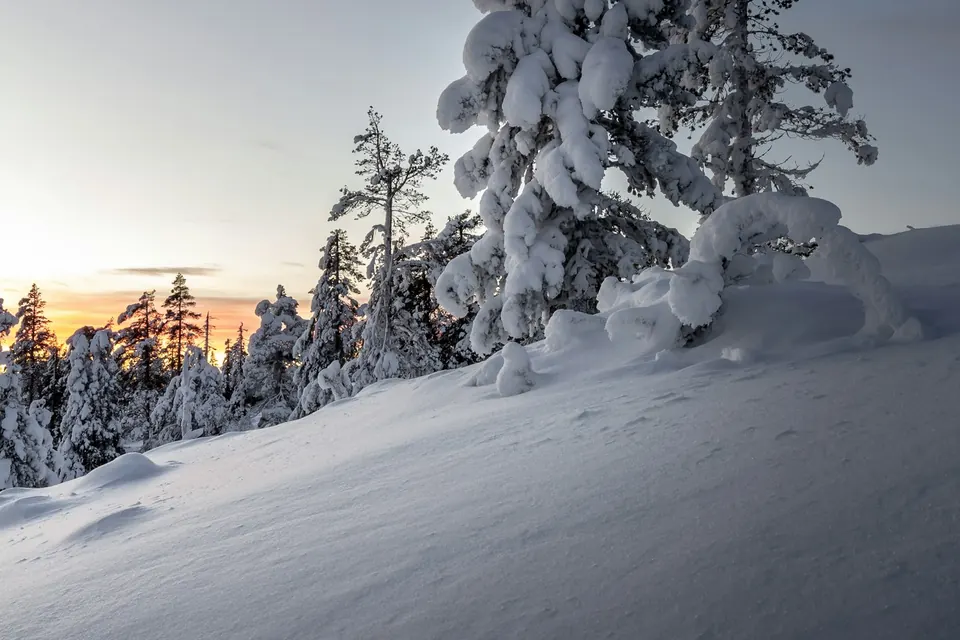
The Finnish Meteorological Institute identifies March and early April as favourable periods in northern Finland when weather is considered. A sighting on a specific night still depends on natural activity, darkness and cloud conditions.
That makes aurora viewing one part of the date decision, rather than a result you can secure by choosing a month. Check that the evening programme itself suits your group, including how long you may be out and how you return to your accommodation.
If the northern lights are important, avoid making every other part of the trip depend on one evening succeeding. Choose daytime experiences you would enjoy regardless of what happens in the sky.
The place matters as well as the month
A Rovaniemi stay can combine city sights with day trips. Levi offers a resort base with walking and activity choices alongside skiing. Ivalo and Inari are separate northern starting areas; accommodation and transport should be planned for the place where your activity actually begins.
Ruka–Kuusamo and Oulu are also part of our northern Finland selection, in regions outside administrative Lapland. Use the Ruka–Kuusamo activities and Oulu programmes for a trip there rather than applying one Lapland calendar to every location.
A simple way to choose your dates
Pick the two experiences that matter most, decide how much daytime light you prefer and compare the actual departure dates from your chosen base. Then add the smaller plans around those arrangements.
For our winter day activities, book the date at least 28 days ahead. Use the Rovaniemi itinerary, Levi non-skiing guide or Ivalo transport guide to turn the month choice into a practical stay.
If you are still choosing between the animal outings, the husky safari and reindeer ride comparison explains what to look for in the actual programmes.