Finland · Private journeys
How to choose a private wilderness expedition in Finland
A private wilderness holiday in Finland works best when the way you spend the days suits the group. Start with travel style, nights away, accommodation and guiding, then compare destinations. Two trips described as four days in the wilderness can ask very different things of their guests.
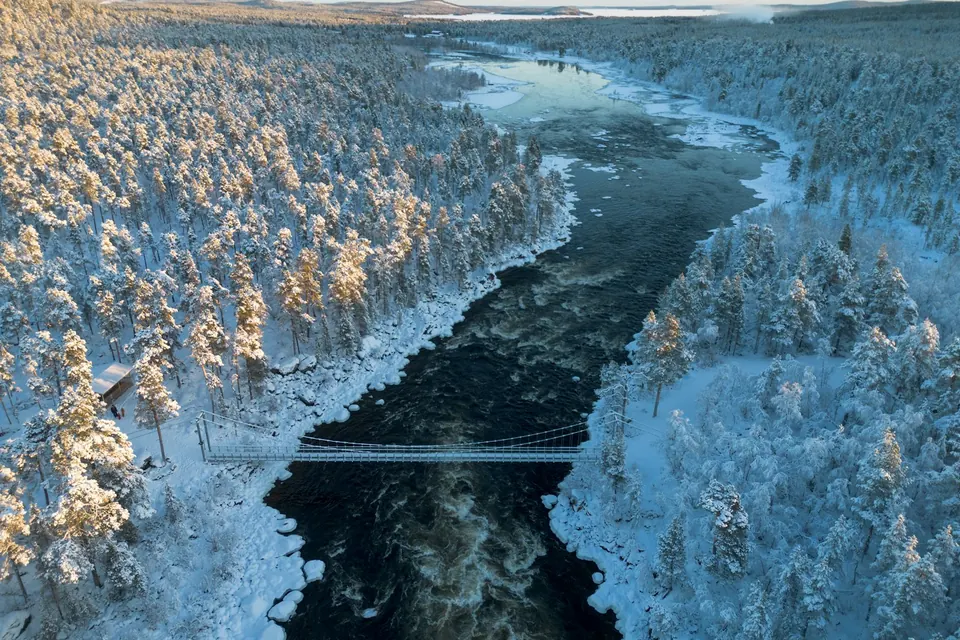
Some groups want one base with outings and time together. Others want a journey between overnight places, or a trip where skiing, fishing or snowmobile travel shapes most of each day. Establish that preference first; it makes the eventual proposal much easier to assess.
Choose the kind of trip you want
| Format | What shapes the days | What to ask |
|---|---|---|
| One wilderness base with outings | Time at the base, meals and selected activities | How much movement is planned, and how flexible is the day? |
| A moving route | Travel between overnight places | How far do guests move, what do they carry and where do they sleep? |
| An activity-led trip | Fishing, skiing or another main activity | Is that activity the focus throughout, and what experience is expected? |
| A tailored mixed programme | A balance of movement, activities and time together | Which parts are fixed and which can be adapted to the group? |
These are useful ways to compare offers, not a list of formats every organiser sells. Look at the actual programme rather than assuming the word “expedition” describes one standard type of trip.
Remote location and physical effort are also separate questions. An organised journey to a remote base can feel very different from carrying equipment between camps. Ask for the expected effort in terms of hours, terrain and guest responsibilities.
Count usable days
Look at where the advertised programme begins and ends. A four-day trip can include substantial travel on the first and last days, or it can start after those journeys have already been completed. The number alone does not tell you how much time is spent in the wilderness.
Ask about the arrival gateway, the onward journey and any accommodation needed before or after the expedition. For an international visit, check which flights or other connections the organiser expects the programme to work around.
Leave a sensible margin for the journey home. If conditions affect the return, the group needs to understand how that is handled in the proposed arrangement. A tight connection chosen independently can change the practical demands of the final day.
Match the movement to the group
Walking, skiing, boat travel and winter travel by snowmobile or sledge lead to different days. Check the method used on the particular route and whether guests are passengers, drivers or active participants in moving equipment.
Ask what experience is required and how much instruction is provided. A programme built around several days of driving has a different purpose from using a vehicle to reach a base and then spending more time there.
For a group with varied interests, explain what people actually enjoy. “We want time outdoors, fishing and meals together, with moderate movement” is more useful than choosing a trip labelled demanding and hoping the group will adapt to it.
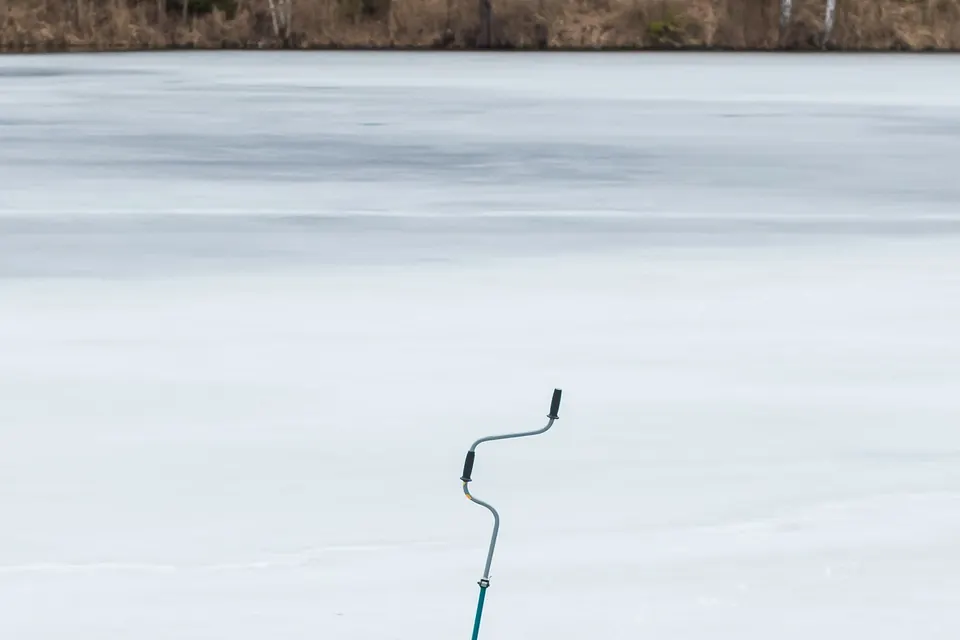
Understand the overnight setup
Wilderness accommodation can mean a cabin, tents, several overnight places on a route or a combination. Ask for the practical details that affect your group: sleeping arrangements, heating, toilets, washing and the equipment supplied.
A private departure means the programme is for your party; individual bedrooms and exclusive facilities need their own confirmation. Decide which comforts matter before comparing offers, so the accommodation is part of the choice rather than a surprise on arrival.
In a base-led trip, also ask how the shared space works. Time around a meal or at the accommodation can be a substantial part of the experience, particularly for a group that wants to spend time together without a full schedule of activities.
Check the guiding arrangements
Establish when the guide is with the group. Guiding throughout the journey, daytime guiding and a visit to set up an overnight stay are different services. If there is time without a guide on site, ask what guests are expected to handle and how practical assistance works.
Clarify the group's responsibilities too. Carrying personal equipment, helping with a camp or taking part in meal preparation may appeal to one group and be a poor fit for another. These details should come from the actual programme.
For a private trip, ask how the pace can be adjusted and which parts depend on conditions. A useful proposal makes both the intended plan and the process for agreeing material changes understandable.
One example: Vätsäri, reached through Ivalo
Northfolk's Vätsäri Wilderness Expedition is a private three-to-seven-day programme starting in Ivalo. Its published offer includes transport from that starting point, guiding, equipment, meals and accommodation, with the balance of movement, activities and time at the base tailored to the group.
This illustrates the difference between an arrival gateway and the place you travel for. Ivalo is where the organised journey begins; the wilderness stay is the reason for the trip. Compare that daily structure with a moving expedition where travel between overnight places is the main activity.
Use the actual proposal to establish the season, length and arrangements for your group. A general wilderness description is not a detailed itinerary for a particular week.
Compare the complete quote
A useful comparison separates the total cost from the programme it buys.
| Part of the quote | What to establish |
|---|---|
| Transfers | Starting/ending point and any separate airport or pre-trip journey |
| Guiding | When the guide is present and what support is included |
| Equipment | Activity kit, clothing and personal items guests must bring |
| Meals | Which meals are included and the agreed dietary arrangements |
| Accommodation | Nights, sleeping format, facilities and exclusivity where promised |
| Activities | The core programme and any optional extras |
| Price basis | Per-person or group total, the assumed party size and the final amount including applicable taxes and compulsory charges |
For a private group, compare the total for your actual headcount. A per-person starting price based on a larger group is not the same purchase as a departure for a smaller party.
Keep any separately arranged travel and accommodation in your own comparison as well. That gives you a clearer picture of the whole trip than comparing the expedition headline prices in isolation.
Send an enquiry that can produce a useful proposal
Include the number of guests, possible dates, nights available, expected arrival point and the kind of day the group would enjoy. Add the approximate budget and any important accommodation, activity or participation requirements.
For a company or mixed private group, also explain the balance you want between activities and time together. A trip centred on movement needs a different rhythm from one where the main purpose is a few days at a wilderness base.
Discuss the Vätsäri expedition with Northfolk using those details. If you mainly need a few activities during a town or resort holiday, the destination pages and winter month guide are a better starting point for planning that stay.